United Kingdom (UK)
 United States (US)
 Canada
 South Africa
 India
 Australia
 New Zealand
 China
 Russia
 Germany
 France
 Spain
 Netherlands
 Vietnam
 United Arab Emirates
 Italy
 Poland
 Thailand
 Türkiye






 Algeria


Updated 8 October 2026: TEFL, TESOL and CELTA comparison re-checked against current qualification levels.
The best certification for teaching English internationally is the one your target employers accept, and for most first jobs that is a TEFL or TESOL certificate of at least 120 hours. TEFL and TESOL are effectively interchangeable to employers. CELTA, Trinity CertTESOL and a regulated Level 5 TEFL Diploma sit a level higher and suit competitive schools, the Middle East and longer careers.

The acronyms make this look more complicated than it is. TEFL, TESOL and CELTA are not three competing standards so much as two tiers: an entry level certificate that most schools ask for, and a regulated Level 5 qualification that gives you more options. This guide compares them side by side and shows which one fits your plans.
Key takeaways
- TEFL and TESOL describe the same kind of training; employers treat 120 hours of either as equivalent.
- CELTA and Trinity CertTESOL are regulated Level 5 qualifications with observed in centre teaching practice.
- A regulated Level 5 TEFL Diploma sits at the same level and can be studied online.
- For most first jobs, a 120-hour TEFL certificate is enough.
- The certificate is only half the story: your degree and passport decide which visas you can get.
What is the difference between TEFL, TESOL and CELTA?
TEFL and TESOL are general names for English teaching training, while CELTA is one specific, regulated qualification awarded by Cambridge English. That is the core difference: TEFL and TESOL are categories, CELTA is a brand within the higher tier.
| Certification | What it is | Level | Typical format | Best for |
|---|---|---|---|---|
| TEFL certificate | Teaching English as a Foreign Language | Usually accredited, no framework level | Online, 120 hours or more | Most first jobs abroad and online |
| TESOL certificate | Teaching English to Speakers of Other Languages | Usually accredited, no framework level | Online, 120 hours or more | Same as TEFL; the name is more common in North America |
| Level 5 TEFL Diploma | Regulated TEFL qualification | RQF Level 5 | Online, 180 guided learning hours or more | Middle East, competitive roles, studying around work |
| CELTA | Cambridge English qualification | RQF Level 5 | Intensive or part time, observed teaching practice | People who can attend fixed dates at a centre |
| Trinity CertTESOL | Trinity College London qualification | RQF Level 5 | In centre or blended, observed teaching practice | Similar to CELTA, near a Trinity centre |
For the TEFL and TESOL question on its own, see the difference between TEFL and TESOL. For a plain English definition of every acronym, see TEFL qualifications and terminology explained. For Trinity specifically, see what the Trinity CertTESOL is.
Which certification do employers abroad actually ask for?
Most employers ask for “a TEFL, TESOL or equivalent of at least 120 hours”, and they rarely distinguish between the first two. The step up to Level 5 matters where schools compare candidates closely or where regulators look for a verifiable level.

- Private language schools in Europe, Asia and Latin America: 120 hours of TEFL or TESOL.
- South Korea’s EPIK: sets 100 hours as its floor.
- Gulf schools: often prefer a Level 5 qualification, alongside an attested degree.
- Competitive schools and senior roles: “CELTA or equivalent”, which a regulated Level 5 TEFL Diploma meets in level terms.
- Online platforms: usually 120 hours, with each platform setting its own rules.
Our country guides go further: see the best TEFL certification for South Korea and the best TEFL certification for Japan.
How do you choose between a 120 hour TEFL and a Level 5 qualification?
Choose 120 hours if you want the quickest route into private schools or online teaching. Choose Level 5 if you want a qualification you can verify on a government register, are aiming at the Gulf or competitive roles, or plan to teach for years.

Within Level 5, the choice is mostly about format. CELTA and Trinity suit people who can attend a centre on fixed dates and want observed practice built in. An online Level 5 TEFL Diploma suits people studying around work or travel. Our comparison of Level 5 TEFL and CELTA sets out cost and recognition side by side.
Every TEFL opening, salary and deadline that matters.
In your inbox every two weeks. Free, no spam, unsubscribe any time.
Teacher pay by country
New TEFL openings
Programme and visa dates
Whatever you choose, check it can be verified. A regulated qualification has a number you can search on the Ofqual register; ours is 610/1571/4.
How to Land Your First TEFL Job
What else do you need besides a certificate?
You also need a degree for most visas in Asia and the Gulf, an eligible passport, a clean criminal record check and documents legalised for your visa. The certificate gets you through the employer’s door; these get you through immigration.
Our guide to the qualifications you need to teach English abroad covers each one, and requirements by country sets them out destination by destination.
Ready to choose your certification?
The TEFL Institute Group is Europe’s largest TEFL trainer by teachers certified, with 161,000 teachers certified since 2017 and graduates in 80 countries. We are a Highfield Approved Centre (number 21335).
Start with the 120 Hour Advanced TEFL Course for most first jobs, or the 180 Hour Level 5 TEFL Diploma for a regulated Level 5 qualification you can study online.

Jessica Jeffery, Recruitment and Partnerships Specialist
Holds a business degree plus TEFL and CELTA, and taught in Thailand and Italy; helps students find high quality jobs and internships.
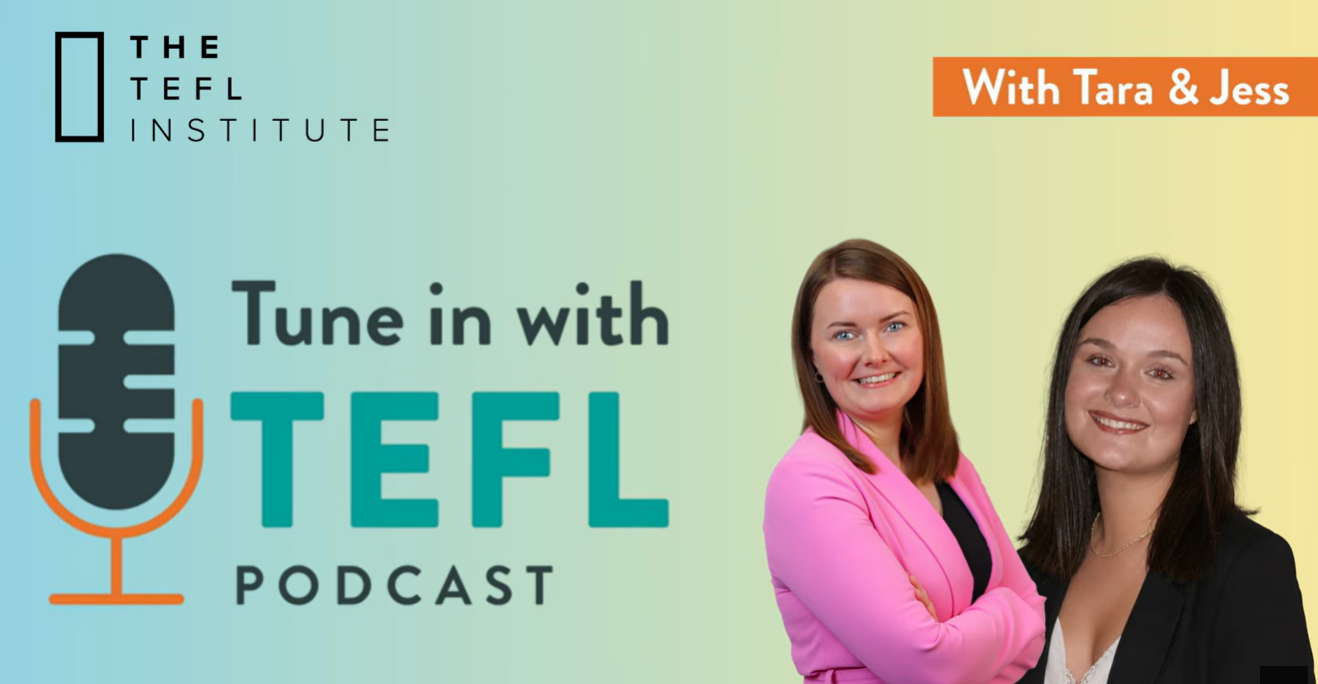
Tara and Jess talk through different TEFL and EFL topics, from finding work abroad to life in the classroom.
FAQs
Questions students ask us
TEFL and TESOL are general names for English teaching training and are treated as equivalent by most employers. CELTA is a specific Cambridge English qualification at RQF Level 5, with observed teaching practice in a training centre. A regulated Level 5 TEFL Diploma sits at the same level as CELTA but can be studied online.
For most first jobs, a TEFL or TESOL certificate of at least 120 hours is enough. If you are targeting Gulf schools, competitive roles or a long term career, a regulated Level 5 qualification such as CELTA, Trinity CertTESOL or a Level 5 TEFL Diploma gives you more options.
No, not for hiring purposes. TEFL and TESOL describe the same kind of training, and employers usually ask for ‘TEFL, TESOL or equivalent’. TESOL is the more common name in North America. What matters is the number of hours, at least 120, and whether the course is accredited or regulated.
In level terms, yes. Both sit at RQF Level 5. CELTA is delivered with observed teaching practice at a centre on fixed dates, while a Level 5 TEFL Diploma such as ours (Ofqual 610/1571/4) is studied online. Some employers name CELTA specifically, so check adverts in your target country.
Usually not. Most private language schools and online platforms accept a 120 hour TEFL or TESOL certificate. CELTA or another Level 5 qualification helps for competitive schools, senior roles and some Gulf employers, where adverts often ask for CELTA or equivalent.
Ask the provider for the qualification number and search it on Ofqual’s public register, checking that the title, level and hours match. CELTA, Trinity CertTESOL and regulated Level 5 TEFL diplomas all appear there. Most 120 hour certificates are accredited instead, which you check on the accreditor’s own website.