

 United Kingdom (UK)
 United States (US)
 Canada
 South Africa
 India
 Australia
 New Zealand
 China
 Russia
 Germany
 France
 Spain
 Netherlands
 Vietnam
 United Arab Emirates
 Italy
 Poland
 Thailand
 Türkiye









 Algeria


Updated 8 October 2026: pay checked against our Salary Index and Thailand guide; unsourced city salaries and premiums removed.
English teachers in Thailand typically earn around ฿30,000 to ฿45,000 a month (about €785 to €1,180) at government and private schools, within a wider national range of roughly ฿25,000 to ฿55,000. International schools pay more for qualified, experienced teachers. Bangkok has the most jobs and the higher salaries, while cities such as Chiang Mai and towns outside the capital pay less but cost much less to live in.
Thailand is one of the most popular places to start teaching, partly because the cost of living lets a modest salary go a long way. This guide gives you verified pay ranges, explains how cities differ, and sets out the visa, work permit and teaching licence you need to work legally.
Key takeaways
- Government and private schools typically pay around ฿30,000 to ฿45,000 a month; the wider range for schools nationwide is about ฿25,000 to ฿55,000.
- International schools pay considerably more but usually want a teaching licence and experience.
- To work legally you need a Non-Immigrant B visa, a work permit and a Teachers’ Council of Thailand licence or temporary permission to teach.
- A bachelor’s degree is needed for the licence route, and a 120-hour TEFL certificate is the usual standard.
- Bangkok pays more but costs more; smaller cities often leave you with similar savings.
How much do English teachers earn in Thailand?
Most English teachers in Thailand earn around ฿30,000 to ฿45,000 a month at government and private schools. Pay at schools nationwide runs from about ฿25,000 to ฿55,000, depending on the school, location and your qualifications.
| Job type | Typical monthly pay | In euros (approx.) | Notes |
|---|---|---|---|
| Government and private schools | ฿30,000 to ฿45,000 | €785 to €1,180 | The most common route for new teachers |
| Schools nationwide (full range) | ฿25,000 to ฿55,000 | €655 to €1,445 | Lower in rural areas, higher in Bangkok and bilingual programmes |
| International schools | Above these ranges | Varies | Usually a teaching licence and classroom experience |
Thai school contracts usually follow the school year, with hiring peaks before each semester. Ask whether you are paid during the breaks between terms, because some contracts do not cover them.
Which cities in Thailand pay English teachers the most?
Bangkok pays the most and has by far the most jobs, from government schools to bilingual programmes and international schools. Outside the capital, salaries are usually lower, but so are rent and daily costs.
Bangkok
The capital has the largest and most varied job market, including most of the country’s international and bilingual schools. It is the best base if you want higher pay or plan to move up, but rent takes a bigger share of your salary.
Chiang Mai
Thailand’s northern hub is popular for its relaxed pace and lower costs. Salaries are generally lower than in Bangkok and competition for jobs can be strong because many teachers want to live there.
Phuket and the coast
Tourist areas such as Phuket have private and international schools serving local and expat families. Living costs in the main tourist zones can be higher than elsewhere outside Bangkok.
Regional cities and towns
Cities such as Khon Kaen, Hat Yai or Udon Thani, and smaller towns, often have government school jobs with lower pay but low living costs, which can make saving surprisingly easy.
Every TEFL opening, salary and deadline that matters.
In your inbox every two weeks. Free, no spam, unsubscribe any time.
Teacher pay by country
New TEFL openings
Programme and visa dates
How to Land Your First TEFL Job
What do you need to teach English in Thailand legally?
To teach legally you need three things: a Non-Immigrant B visa, a work permit arranged with your employer, and either a Teachers’ Council of Thailand licence or temporary permission to teach. Working on a tourist visa is illegal.
- Degree: a bachelor’s degree is needed for the teaching licence route.
- TEFL: at least 120 hours is the usual standard; a regulated Level 5 TEFL Diploma (Ofqual 610/1571/4) helps for bilingual and competitive schools.
- Documents: degree and police check, often legalised. See TEFL certificate legalisation explained.
Our guide to the Thailand Non-B visa and work permit walks through each step, and the Visa Desk links to the official guidance. If you do not have a degree, see teaching English in Thailand without a degree.
How much can you save teaching in Thailand?
Savings depend on where you live and how you live. A teacher in a smaller city with modest rent often saves a higher share of pay than one in central Bangkok on a bigger salary. The most reliable estimate is your own: take the monthly salary, subtract realistic rent, food, transport and travel for the city, and see what remains.
Some teachers add private tutoring, but check that your work permit allows it before taking paid work outside your contract.
How should you compare job offers in Thailand?
Compare the whole contract, not just the monthly figure. A slightly lower salary with paid holidays, help with the visa and a proper work permit is usually worth more than a higher figure without them.
| Check | Questions to ask |
|---|---|
| Visa and permit | Will the school arrange the Non-B visa, work permit and teaching licence or waiver? |
| Pay between terms | Are you paid during school holidays? |
| Hours | Teaching and office hours per week |
| Extras | Housing help, health insurance, end of contract bonus |
| Employer | Are you hired by the school directly or through an agency? |
For tips on spotting a risky offer, see our guide to getting your first TEFL job.
Ready to teach English in Thailand?
The TEFL Institute Group is Europe’s largest TEFL trainer by teachers certified, with 161,000 teachers certified since 2017 and graduates in 80 countries. We are a Highfield Approved Centre (number 21335).
Start with the 120 Hour Advanced TEFL Course for most Thai schools, or choose the 180 Hour Level 5 TEFL Diploma to stand out for bilingual and competitive roles.
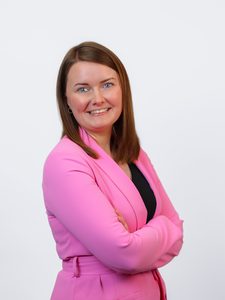
Jessica Jeffery, Recruitment and Partnerships Specialist
Holds a business degree plus TEFL and CELTA, and taught in Thailand and Italy; helps students find high quality jobs and internships.
Tara and Jess talk through different TEFL and EFL topics, from finding work abroad to life in the classroom.
FAQs
Questions students ask us
Most English teachers in Thailand earn around ฿30,000 to ฿45,000 a month at government and private schools, about €785 to €1,180. Across schools nationwide the range is roughly ฿25,000 to ฿55,000, and international schools pay more for qualified, experienced teachers.
Bangkok pays the most and has the most jobs, including most international and bilingual schools. Rent and living costs are also higher there, so teachers in Chiang Mai, regional cities or smaller towns can often save a similar or higher share of a lower salary.
You need a Non-Immigrant B visa, a work permit arranged with your employer, and a Teachers’ Council of Thailand licence or temporary permission to teach. A bachelor’s degree is needed for the licence route, and a 120 hour TEFL is the usual standard. Working on a tourist visa is illegal.
It depends on the contract. Thai school contracts follow the school year, and some do not pay during the breaks between terms. Always ask whether holiday periods are paid before you sign, and compare offers on the full year rather than the monthly figure alone.
Many teachers do, especially outside central Bangkok where rent and daily costs are lower. Estimate your own savings by subtracting realistic rent, food, transport and travel for your city from the monthly salary, and check whether housing help or a contract bonus is included.
It is difficult. The usual route to a work permit and teaching licence requires a bachelor’s degree, so most legal school jobs are closed without one. Some alternative routes exist; our guide to teaching English in Thailand without a degree explains the realistic options and risks.
