United Kingdom (UK)
 United States (US)
 Canada
 South Africa
 India
 Australia
 New Zealand
 China
 Russia
 Germany
 France
 Spain
 Netherlands
 Vietnam
 United Arab Emirates
 Italy
 Poland
 Thailand
 Türkiye






 Algeria


Teach English in Turkey
TEFL jobs in Turkey
You can teach English in Turkey at private language schools, private K-12 schools, university English preparatory programmes and with private students, mainly in Istanbul, Ankara and Izmir. Demand is strong and steady, especially in university prep schools, which teach a year of English before degree study. Foreign teachers need an employer-sponsored work permit and a degree. Turkey’s minimum wage is TRY 33,030 gross (TRY 28,075.50 net) a month from 1 January 2026, though high inflation means pay is worth checking carefully. The UK advises against travel only within 10km of the Syrian border.
Teaching English in Turkey at a glance
| Main employers | Private language schools, private K-12 schools, university preparatory programmes, international schools, private students |
| Typical pay | Monthly salaries in lira; university and private school packages often include housing |
| Minimum wage | TRY 33,030 gross, TRY 28,075.50 net a month, from 1 January 2026 |
| Hiring | Busiest in spring and summer for a September start; language schools hire year round |
| Minimum TEFL hours | 120 hours |
| Degree | Required for the work permit; universities usually want a master’s |
| Visa | Employer-sponsored work permit through the Ministry of Labour, plus a work visa |
| Main cities | Istanbul, Ankara, Izmir, Antalya and Bursa |
What kinds of English teaching jobs are there in Turkey?
University preparatory programmes. Many Turkish universities teach a full year of English before students start English-medium degrees. These prep schools are among the best employers for foreign teachers, often offering contracts with housing, and usually want a degree, TEFL qualification and experience, with a master’s preferred.
Private K-12 schools. Private schools and colleges teach English from an early age and hire native English teachers, especially for young learners. Some want a teaching licence.
Private language schools. Teach teenagers and adults general, exam and business English, often in the evenings and at weekends.
International schools. A small number in Istanbul and Ankara, wanting qualified, licensed teachers.
Private tutoring. Popular for exam preparation, but only legal within the terms of your permit.
How much do English teachers earn in Turkey?
Teachers are paid monthly in Turkish lira, and university prep schools and private schools often add housing, flights or health insurance. Turkey’s minimum wage rose 27 per cent to TRY 33,030 gross, or TRY 28,075.50 net, a month from 1 January 2026, set by the Minimum Wage Determination Commission. Because inflation has been high, the value of lira salaries can fall during a contract, so packages with housing included, or salaries reviewed during the year, are worth looking for. Compare pay across countries on the TEFL Salary Index, or read how much TEFL teachers make.
What qualifications do you need to teach English in Turkey?
A bachelor’s degree is required for the work permit, and most employers want a TEFL certificate of at least 120 hours. University prep schools usually prefer a master’s degree and an Ofqual-regulated Level 5 TEFL Diploma or CELTA, and private schools value young learner experience. If you want to train in person, we run TEFL courses in Istanbul. Level 5 qualifications can be verified on the Ofqual register.
Which visa do you need to teach English in Turkey?
You cannot legally teach on a tourist visa or visa exemption. Your employer applies for a work permit online through the Ministry of Labour and Social Security, and you apply for a work visa at a Turkish consulate. Once in Turkey, your work permit also serves as your residence permit. Private schools may need approval from the Ministry of National Education as well, and expect to provide an apostilled degree and a criminal record check. Check current rules with your employer and our Visa Desk before you accept an offer.
Is it safe to teach English in Turkey?
Istanbul, Ankara, Izmir and the coastal cities where most teachers work are busy, welcoming places. The UK government advises against all travel to within 10km of Turkey’s border with Syria, due to fighting and a heightened risk of terrorism, and notes a wider risk of regional tension. Follow local advice, avoid demonstrations, and read your own government’s latest travel advice before accepting a job.
Where are the English teaching jobs in Turkey?
Istanbul has the most language schools, private schools and universities, and the highest living costs. Ankara, the capital, has many universities and government institutions. Izmir on the Aegean coast is relaxed and liberal, and Antalya and Bursa have smaller markets.
What is it like teaching and living in Turkey?
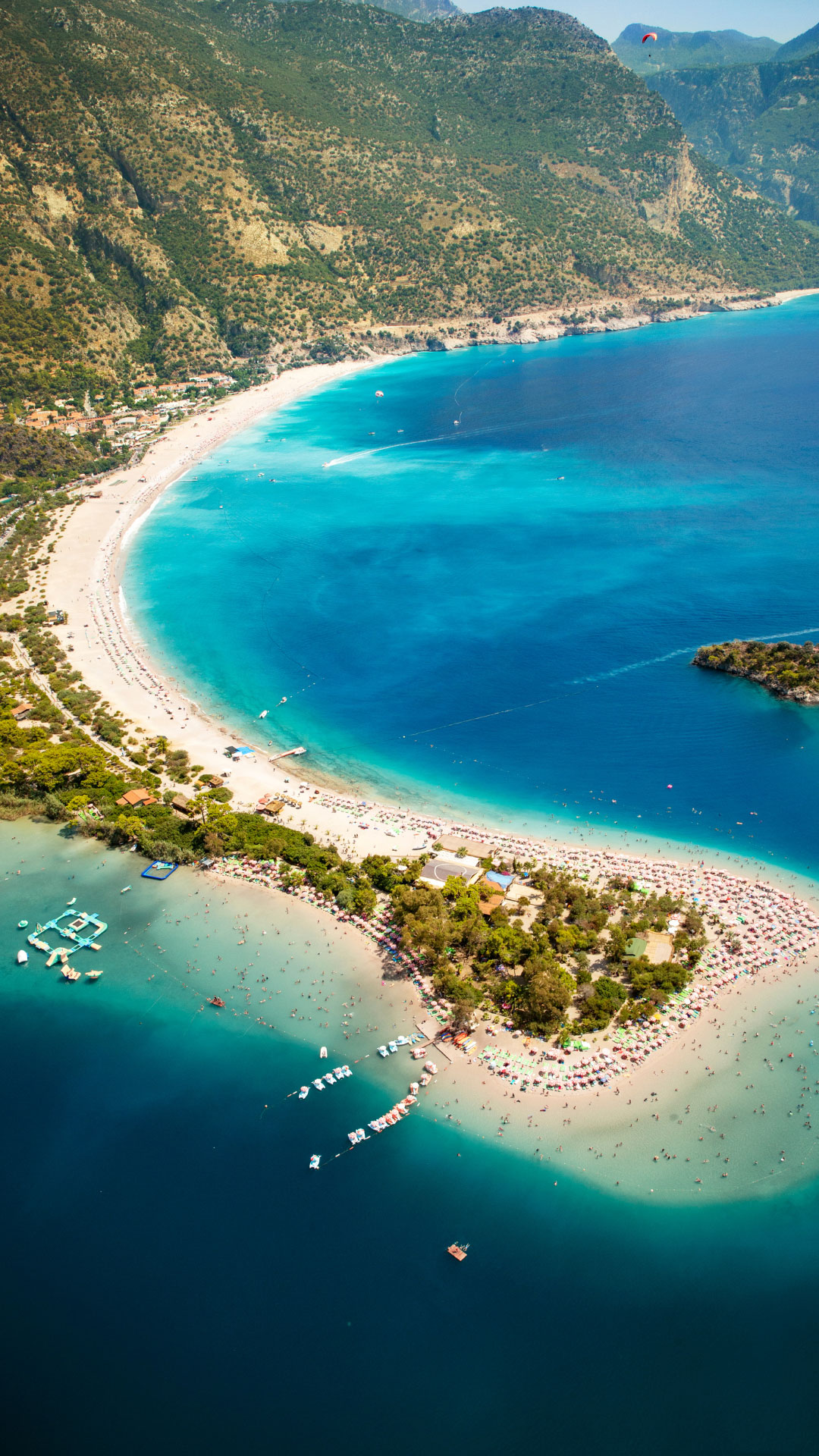
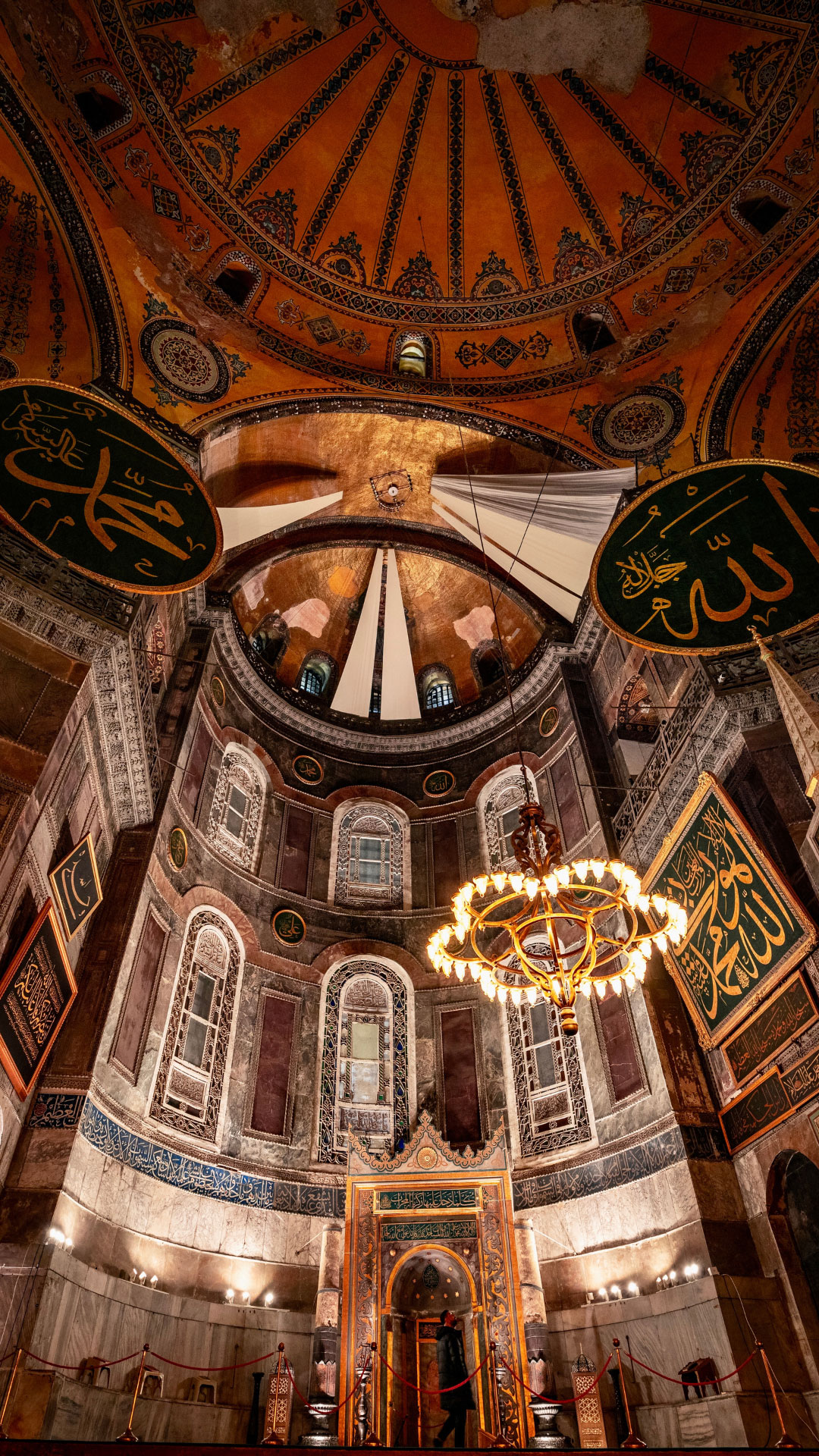
Turkey bridges Europe and Asia, with world-famous food, history, beaches and mountains. Turkish hospitality is famous, and students are lively, sociable and keen to practise speaking. Learning some Turkish helps enormously with daily life, especially outside Istanbul. Summers are hot and winters can be cold in the interior, and it is a Muslim majority country with a more relaxed atmosphere in the big cities and on the coast.
Teaching in Turkey: read next
- Comparing the region? See our guides to Georgia, Greece and Cyprus.
- Want to train in Turkey? See our TEFL courses in Istanbul.
- Compare pay in our TEFL Salary Index and check entry rules on the Visa Desk.
Last updated: 3 October 2026. Pay figures are approximate, not quotes. Work permit rules and travel advice change, so confirm current requirements with your employer, the Turkish consulate and your own government before you travel.


Living costs
Turkey is affordable for teachers paid in foreign currency, but high inflation makes it harder on a lira salary. Istanbul is the most expensive city, with central one-bedroom rents now above the net minimum wage. Popular areas include Kadıköy, Beşiktaş and Cihangir, while outer districts and cities such as Ankara and Izmir cost noticeably less.
Prices rise quickly: Istanbul’s transport fares went up twice in 2026, by 20 per cent in February and 10 per cent in July. Rent rarely includes the monthly building fee (aidat), and landlords usually ask for a deposit plus an agent’s fee, so contracts that include housing are especially valuable.
All figures below are in Turkish lira (TRY) and are typical 2026 Istanbul rental and price data, checked on 3 October 2026. Prices change quickly, so check a current source before you budget.
- One-bedroom flat, central Istanbul: About TRY 35,000 a month
- One-bedroom flat, outside the centre: About TRY 22,000 a month
- Three-bedroom flat to share, outside the centre: About TRY 40,000 a month
- Monthly Mavi Kart transport pass (from 20 July 2026): TRY 3,628
- Single İstanbulkart fare: TRY 46.20
- Mobile phone plan with data: About TRY 465 a month
- Net minimum wage, for comparison: TRY 28,075.50 a month
- Monthly building fee (aidat): Extra, set by each building
TEFL jobs in Turkey: KEY POINTS

SALARY
Monthly lira salaries, often with housing; minimum wage TRY 33,030 gross

EDUCATION
Degree required for the work permit

MAIN JOB TYPES
University prep schools, private K-12 schools, language schools

TEFL CERTIFICATION NEEDED
120 hour TEFL Training
KEY FACTS
- Popular Locations: Istanbul for most jobs; Ankara, Izmir, Bursa and Antalya have smaller markets.
- English teacher pay in Turkey: Teachers are paid monthly in lira, and university prep schools and private schools often add housing, flights or health insurance. The minimum wage is TRY 33,030 gross (TRY 28,075.50 net) a month from 1 January 2026. With high inflation, look for packages that include housing.
- TEFL certification: A 120-hour TEFL certificate is a minimum requirement.
- University degree: A bachelor's degree is required for the work permit. University prep schools usually prefer a master's degree and teaching experience.
- Age restrictions: None
When to go
Climate and hiring in Istanbul
Apply in spring and early summer, when university prep schools and private schools recruit, and arrive in late August for the September start, once the work permit is under way. Language schools hire year round.
Istanbul has warm, sunny summers around 86°F in July and August, sometimes hotter, and cool, damp winters with nights around 37°F and occasional snow. Rain totals about 680 mm a year, wettest from October to January, while summer is mostly dry. Spring and autumn are the most pleasant seasons.
Average daily highs and lows, 1991 to 2020 station averages for Istanbul. Hiring months are typical patterns, not guarantees.
Facts about Turkey

LANGUAGE
Turkish

POPULATION
About 85 million

TEFL JOB DEMAND
Mid
CURRENCY
Turkish lira (TRY)

CAPITAL
Ankara

OUR TURKEY TEFL RATING
3.8/5

TEFL jobs in Turkey: FAQS
What is my earning potential as an English teacher living in Turkey?
Teachers are paid monthly in Turkish lira, and university prep schools and private schools often add housing, flights or health insurance. Turkey’s minimum wage is TRY 33,030 gross, or TRY 28,075.50 net, a month from 1 January 2026. Because inflation is high, the real value of a lira salary can fall during the year, so packages with housing included are worth seeking out.
Does Turkey cost a lot to live in?
It depends how you are paid. A one-bedroom flat in central Istanbul now costs about TRY 35,000 a month, more than the net minimum wage, and about TRY 22,000 outside the centre, while the monthly transport pass is TRY 3,628. Ankara and Izmir are cheaper. Many teaching contracts include housing, which makes a big difference.
Do I need a degree to be able to teach English as a foreign language in Turkey?
Yes. A bachelor’s degree in any subject is required for a Turkish work permit, and university prep schools usually prefer a master’s degree. If you do not have a degree, see our guide to teaching English without a degree for countries with more flexible rules.
Which TEFL qualification do employers in Turkey prefer?
Language schools and private schools usually want an accredited TEFL certificate of at least 120 hours, such as our 120 Hour Advanced TEFL Course. University preparatory programmes, the best paid employers, often prefer an Ofqual-regulated Level 5 TEFL Diploma or CELTA plus experience. If you would rather train in person, we run TEFL courses in Istanbul.
Is it safe to teach English in Turkey?
Istanbul, Ankara, Izmir and the coast, where most teachers work, are busy and welcoming. The UK government advises against all travel to within 10km of Turkey’s border with Syria, due to fighting and a heightened risk of terrorism, and notes a wider risk of regional tension. Avoid demonstrations, follow local advice and read your own government’s latest travel advice before you accept a job.
How do I get a work permit to teach English in Turkey?
Your employer applies for a work permit online through Turkey’s Ministry of Labour and Social Security, and you apply for a work visa at a Turkish consulate. Once you arrive, the work permit also serves as your residence permit. Expect to provide an apostilled degree and a criminal record check, and private schools may need Ministry of National Education approval. You cannot legally teach on a tourist visa. Check current rules on our Visa Desk.
TEFL courses
Become a confident, qualified English teacher with flexible online, classroom or mixed learning.

TEFL internship
With accommodation, training and full in-country support sorted – it’s the hassle-free way to kick-start your TEFL career.

TEFL jobs
Check out new TEFL job listings on our sister company’s well-stocked jobs board.